Municipal Yard-Waste Contracts: Throughput, Seasonality, and Quality Metrics
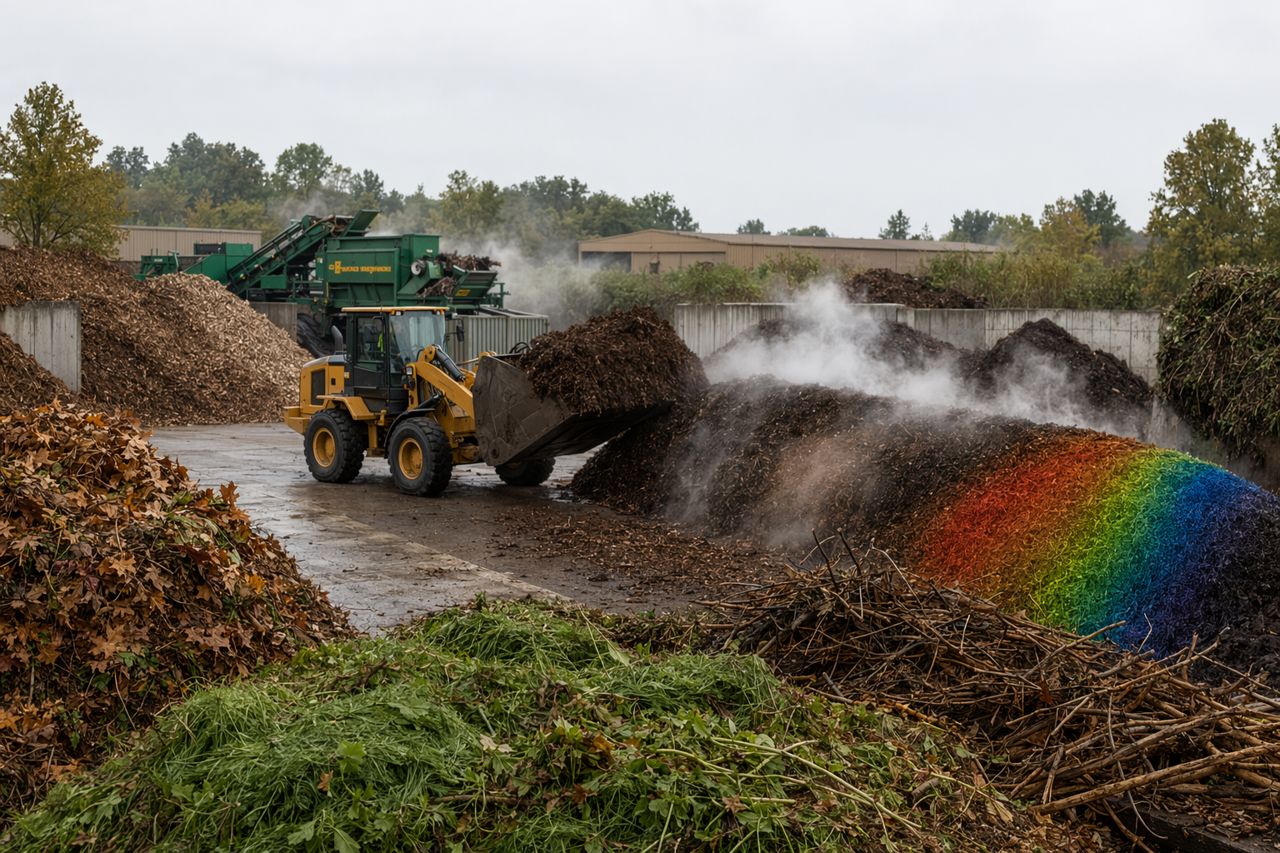
Municipal yard-waste contracts can be profitable, predictable, and operationally punishing at the same time. Spring cleanups, storm debris, fall leaf collection, holiday tree intake, and resident drop-off programs all push different material into the same receiving yard.
For a composting facility, the challenge is not simply accepting more green waste. The challenge is keeping the pile biology moving when feedstock swings from wet grass to woody brush to dense leaf packs, while still meeting contract expectations for odor control, turnaround, reporting, and finished compost quality.
LoamForge works as a compost enzyme supplier for organic waste processing with a practical focus: help facilities manage variable organic loads with better breakdown consistency, stronger process control, and fewer avoidable bottlenecks.
Why municipal yard-waste contracts stress the process
Municipal programs rarely deliver a perfect blend. Loads arrive based on public behavior, weather, collection schedules, and contractor routing. That creates operational friction at every stage.
Common pressure points include:
- Seasonal intake surges that outrun grinding, mixing, and available pad space
- High-leaf loads that mat, shed water, and limit airflow when unmanaged
- Woody fractions that slow visible decomposition and extend curing time
- Wet grass loads that can heat quickly, compact, and create odor pressure
- Storm debris variability with inconsistent particle size and contamination risk
- Public-sector quality requirements tied to screened product, maturity, and complaints
When the inbound stream changes faster than the biology can stabilize, operators end up compensating with more turning, more rework, longer holding time, or tighter intake limits. Enzyme-assisted processing gives the facility another control lever.
Where enzyme support fits in a yard-waste operation
Compost enzymes do not replace grinding, moisture discipline, pile structure, or turning strategy. They support the breakdown work already happening inside the pile by helping unlock plant materials that can otherwise slow the system down.
For municipal yard-waste programs, LoamForge enzyme solutions are typically used to support:
- Faster conditioning of leaf-heavy and mixed green-waste piles
- More consistent heat development across variable windrow sections
- Better breakdown of accessible plant fibers before screening
- Reduced odor pressure from stalled or overloaded zones
- More predictable movement from active composting into curing
- Improved finished compost consistency across seasonal production runs
The commercial value is not a lab number. It is a yard that moves material with fewer surprises.
Throughput: protect pad capacity during peak intake
Peak municipal intake does not wait for your curing schedule. If windrows hold space too long, the facility loses flexibility. Incoming loads back up. Grinding queues stretch. Operators are forced into reactive pile placement.
A practical enzyme program can help by improving early-stage biological access to mixed organic material, especially when feedstock changes quickly. That can support steadier heating, more reliable pile progression, and better use of active composting space.
For facility managers, the target is straightforward:
- Keep the active pad moving
- Reduce slow zones inside large windrows
- Lower the need for emergency remixing
- Maintain intake confidence during contract-heavy weeks
- Protect outbound screening plans
Throughput is not just speed. It is control over space, sequence, and timing.
Seasonality: different yard waste needs different control
Municipal contracts often look stable on paper and volatile on the ground. The material profile shifts by season, and the operating strategy should shift with it.
Spring: wet greens and rapid odor pressure
Spring loads can carry wet grass, soft trimmings, and high moisture. These materials can heat quickly but also compact quickly. If airflow collapses, odor risk rises.
LoamForge enzyme support can be positioned as part of a spring control plan focused on fast stabilization, balanced mixing, and prevention of overloaded anaerobic pockets.
Summer: inconsistent loads and heat management
Summer yard waste can vary from dry brush to lush trimmings. Windrows may need more attention to moisture distribution and thermal consistency.
Enzyme-assisted processing helps operators maintain biological momentum when the pile has both easily degradable material and slower woody fractions.
Fall: leaf volume and matting risk
Fall leaves are a municipal contract reality. They can arrive in huge volume, pack tightly, and resist uniform wetting. Without structure and breakdown support, leaf-heavy piles can become uneven and slow.
LoamForge programs are well suited for fall intake strategies where facilities need to keep leaf windrows active, reduce matted zones, and protect winter pad capacity.
Storm events: irregular debris and urgent capacity
Storm-related yard waste can arrive fast, coarse, and inconsistent. The facility may need to process large volumes without letting normal contract material stall.
In these windows, enzyme support can help stabilize mixed organic fractions while the site manages grinding, staging, and contamination removal.
Quality metrics that matter to municipal buyers
Municipal customers care about more than the lowest tipping arrangement. They need a program that reduces complaints, supports public reporting, and produces a credible end product.
Quality expectations often include:
- Finished compost that screens consistently
- Reduced visible undecomposed plant fragments
- Lower odor complaint risk during peak seasons
- Reliable production timelines for seasonal distribution
- Process records that show operational control
- A product suitable for landscaping, soil improvement, or local use programs
Enzyme support contributes when it helps the facility produce a more uniform composting process across changing feedstock. Better process consistency usually shows up as better finished material consistency.
Building enzyme use into the contract operating plan
The strongest approach is not to treat enzymes as a last-minute rescue tool. Build the program around contract realities.
A practical plan should define:
- Inbound material categories such as leaves, grass-heavy loads, woody brush, mixed yard waste, and storm debris
- Application points where enzyme treatment integrates with grinding, mixing, watering, or windrow formation
- Operational triggers for peak intake, odor risk, slow heating, or high-leaf volume
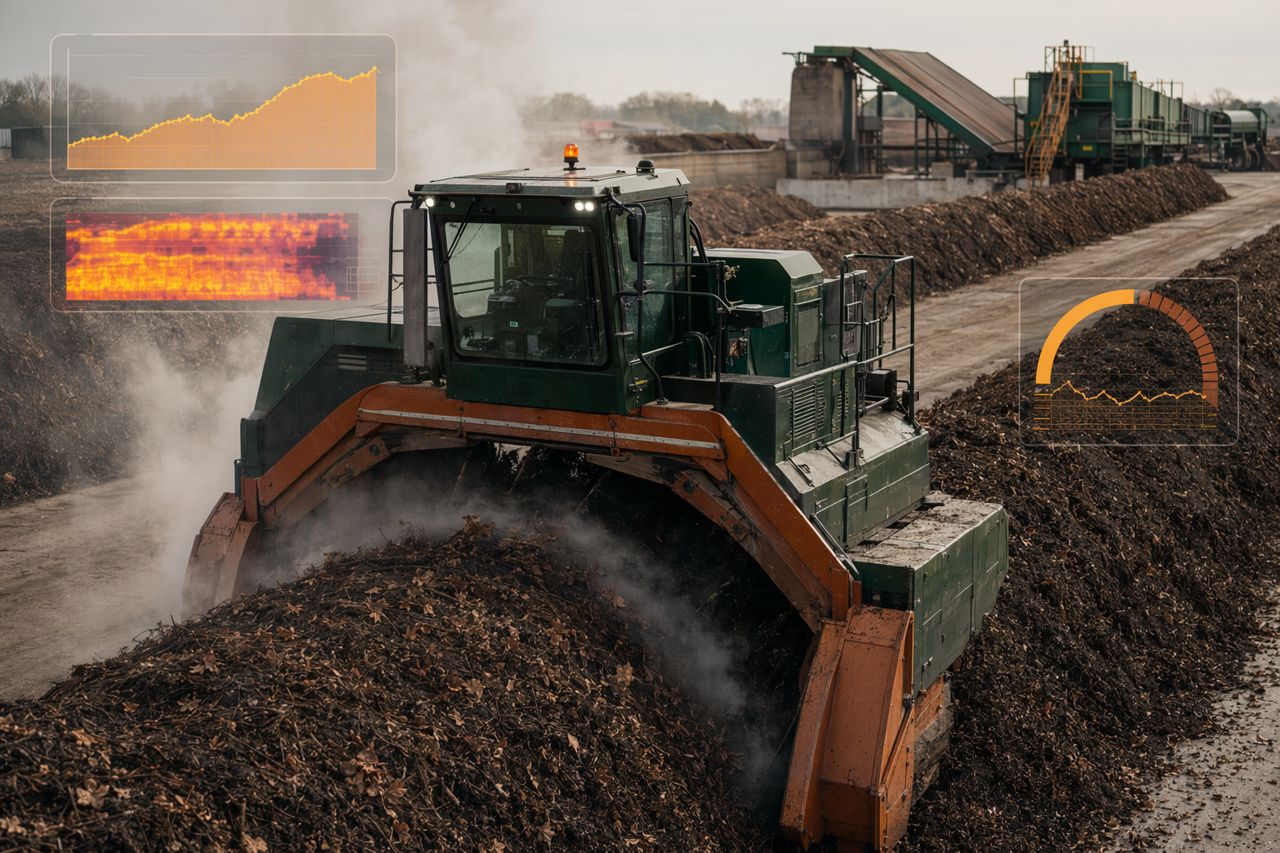
- Monitoring routines tied to pile temperature behavior, odor observations, moisture condition, and turning response
- Finished product targets based on screening performance, appearance, stability, and buyer expectations
LoamForge helps facilities connect enzyme selection with these field realities so the program supports the contract instead of adding complexity.
What facility managers should ask before selecting a supplier
A supplier should understand composting operations, not just sell an input. Before choosing an enzyme partner, ask:
- Do they understand municipal yard-waste seasonality?
- Can they support leaf-heavy, grass-heavy, and woody feedstock conditions?
- Do they provide practical application guidance for real equipment and site layouts?
- Can they help define operational triggers for use?
- Do they focus on throughput, odor pressure, heat consistency, and product quality?
- Will they support quote planning around contract volume and feedstock profile?
LoamForge is built for these conversations. We speak in site outcomes, not abstract lab language.
Watch: enzyme support for municipal yard-waste contracts
The bottom line
Municipal yard-waste contracts reward facilities that can absorb seasonal volume without losing process control. The right enzyme program can help strengthen biological consistency, keep windrows moving, reduce odor pressure, and improve finished compost uniformity across changing feedstock.
If your site is preparing for a new municipal bid, expanding yard-waste intake, or trying to stabilize peak-season performance, LoamForge can help scope the right enzyme support for your operation.
Ready to evaluate your yard-waste program? Request a quote and share your feedstock profile, intake seasonality, and facility goals.